GLP-1 Support
How to Manage GLP-1 Side Effects With Food (Nausea, Constipation, Fatigue)
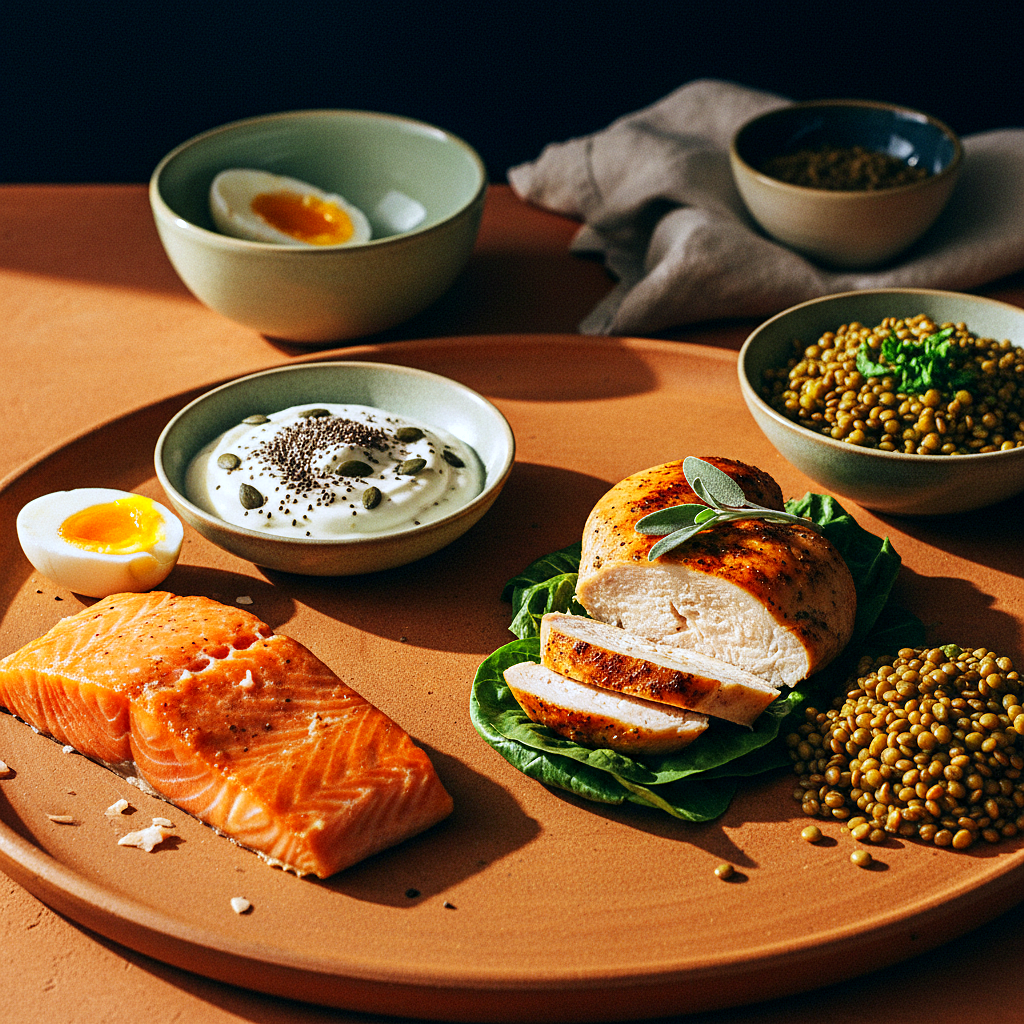
The short answer
Most GLP-1 side effects respond to how and what you eat, not to eating less. Try smaller, more frequent meals, gentle proteins, steady fluids, and a slow increase in fiber, and keep eating enough so your body is fueled. Contact your prescriber for severe or persistent symptoms such as relentless vomiting, signs of dehydration, or severe abdominal pain.
Most GLP-1 side effects respond to how and what you eat, not to eating less. In my practice, when nausea, constipation, reflux, or fatigue show up, the fix is almost always about adding the right foods and a steady rhythm of meals, not white-knuckling through hunger.
Key takeaways
- The most common GLP-1 side effects, nausea, constipation, reflux, and fatigue, are often driven by eating patterns plus the appetite change the medication creates.
- Smaller, more frequent meals, gentle proteins, steady fluids, and a gradual fiber ramp do most of the heavy lifting.
- Under-eating makes nearly every side effect worse, so the goal is to eat enough, not less.
- This is educational guidance, not individualized medical advice, and it is not a reason to change your medication on your own.
- Severe or persistent symptoms belong with your prescriber, the same day if they are alarming.
A quick note before we get into the specifics. I am a registered dietitian, and what follows is general education to help you eat with more comfort. It is not personalized medical advice, and it is never a reason to start, stop, or change any medication or dose. Those decisions belong to you and the person who prescribed it. The strongest results I see come from pairing a dietitian with your doctor so the food plan and the medical plan move together.
Why do GLP-1 medications cause side effects in the first place?
GLP-1 medications slow how quickly your stomach empties and turn down appetite signals. That is part of how they work, and it is also why food can feel different. When the stomach empties more slowly, large or rich meals can sit heavily and trigger nausea or reflux. When appetite drops, it is easy to drift into eating too little, which quietly sets up fatigue, constipation, and muscle loss. So most of the discomfort is not random. It tracks closely with timing, portion size, food choices, and fluids, all of which you can work with.
What helps with GLP-1 nausea?
Nausea is the side effect I hear about most, and it usually softens with a few additive shifts.
Eat small amounts, more often
Instead of waiting until you feel hungry, which may not happen, offer your body a small something every two to four hours. An empty, slow-emptying stomach tends to feel more nauseated, not less. Think a few bites of yogurt, a slice of toast, a handful of crackers, or half a banana.
Lean on gentle, mild foods
Lower-fat, mild, easy-to-digest foods tend to sit best: oatmeal, eggs, plain or Greek yogurt, rice, broth-based soups, bananas, applesauce, and crackers. Very greasy, fried, or strongly spiced meals are the ones most likely to push back when your stomach is emptying slowly. This is not about labeling foods as off-limits. It is about meeting your stomach where it is right now and adding those foods back in as you feel ready.
Use temperature and smell to your advantage
Cold or room-temperature foods give off less aroma, and strong cooking smells can be a nausea trigger. Smoothies, yogurt, cottage cheese, and chilled fruit are often easier than a hot, fragrant plate. Ginger and peppermint tea settle many people's stomachs, and sipping fluids slowly between meals, rather than gulping a large glass with food, can help too.
How do I fix constipation on a GLP-1?
Constipation is common, and it usually comes down to two things moving out of balance: fiber and fluid. The good news is both are addable.
Ramp fiber up gradually, with water alongside
Add fiber-rich foods slowly over a week or two so your gut can adjust: fruit, vegetables, oats, beans, lentils, chia, and ground flax. Going from very little fiber to a lot overnight can actually increase bloating and discomfort, so gentle and gradual wins. The non-negotiable partner to fiber is fluid. Fiber works by drawing in water, so more fiber without more water can make constipation worse rather than better.
Keep fluids steady
Aim to sip water consistently through the day rather than in one or two big servings. Because GLP-1 medications blunt thirst along with hunger, many people are mildly under-hydrated without realizing it. Soups, herbal teas, and water-rich fruits and vegetables all count toward your fluids.
Add gentle movement
A short daily walk, especially after meals, helps the digestive tract keep things moving. It pairs well with the food and fluid changes above.
If you go several days without a bowel movement, feel significant pain, or notice it is steadily getting worse, that is a moment to check in with your prescriber rather than pushing through.
What about reflux or heartburn?
Reflux often shows up because a slower-emptying stomach stays full longer. The same small-and-frequent rhythm that helps nausea tends to help here. Keep portions modest, slow down while eating, and try not to lie down for a couple of hours after a meal. Many people find that very large, high-fat meals late in the evening are the main trigger, so shifting your bigger eating earlier in the day can bring real relief. As always, this is about adjusting timing and size, not cutting your intake short.
Why am I so tired, and what helps?
Fatigue is the side effect people least expect, and it is frequently a fuel problem in disguise. When appetite drops, it is genuinely easy to under-eat, sometimes by a lot, and end up short on calories, protein, fluids, and nutrients. Your body notices.
The most reliable fix is to keep eating on a schedule even when hunger is quiet. Anchor a few small meals or snacks through the day, each with some protein and some carbohydrate, so your energy has something to run on. Gentle proteins like Greek yogurt, eggs, cottage cheese, tofu, fish, shredded chicken, and protein smoothies are easy to get down when appetite is low. Staying hydrated matters here too, since even mild dehydration reads as fatigue.
Protein deserves special attention on a GLP-1, both for energy and for protecting muscle while your appetite is reduced. I walk through the specifics in how much protein you actually need on a GLP-1, and I cover muscle-protecting meals in detail in what to eat on Ozempic to keep muscle.
If fatigue is persistent, worsening, or comes with other symptoms, mention it to your prescriber, because it can have causes beyond eating patterns.
The thread running through all of it: do not under-eat
If you take one thing from this, let it be this. The medication is already lowering your appetite for you, so your job is not to eat less. It is to make sure the food you do eat is nourishing and that you are getting enough of it, especially protein and fluids. Skipping meals to "lean into" reduced appetite tends to backfire into more nausea, more fatigue, more constipation, and lost muscle. Eating enough is the strategy, not the obstacle.
When to call your prescriber
Food strategy handles a lot, but some symptoms are medical, not nutritional. Contact your prescriber promptly if you have:
- Severe or persistent vomiting, or vomiting you cannot keep ahead of
- Signs of dehydration such as dizziness, a racing heart, or very dark urine
- Severe or ongoing abdominal pain
- Symptoms that keep you from eating or drinking for more than a day
These warrant a conversation with the person managing your medication. Any decision about your dose or whether to continue is theirs and yours to make together, never something to change on your own based on an article.
A warm invitation
You do not have to figure this out by trial and error, and you certainly do not have to suffer through side effects to get results. If you would like a plan built around your medication, your symptoms, and the foods you actually enjoy, I would love to help. You can book a free intro call and we will talk through where you are and what would help most. Working alongside your doctor, we can make this feel a lot more livable.
Frequently asked questions
What foods help with GLP-1 nausea?+
Gentle, lower-fat, mild foods tend to sit best when you feel nauseated on a GLP-1: plain yogurt, eggs, oatmeal, broth-based soups, crackers, bananas, rice, and ginger or peppermint tea. Eating small amounts every few hours, rather than waiting until you feel hungry, often keeps nausea from building. Cold or room-temperature foods can be easier than hot, strong-smelling meals.
How do I fix constipation on a GLP-1?+
Constipation on a GLP-1 usually responds to more fluids and a gradual increase in fiber from foods like fruit, vegetables, oats, beans, and chia. Ramp fiber up slowly over a week or two and pair it with plenty of water, since adding fiber without fluid can make things worse. Gentle daily movement also helps. If you have not had a bowel movement in several days or have significant pain, contact your prescriber.
Why does my GLP-1 make me so tired?+
Fatigue on a GLP-1 is often linked to simply not eating enough, because reduced appetite can quietly leave you short on calories, protein, fluids, and key nutrients. Eating regular small meals with protein and some carbohydrate, and staying hydrated, usually helps energy hold steadier. Persistent or worsening fatigue is worth raising with your prescriber, since it can have other causes.
Should I eat less while taking a GLP-1?+
No, under-eating is one of the most common reasons people feel unwell on a GLP-1. The medication lowers appetite for you, so the goal is to eat enough nourishing food, especially protein, even when hunger cues are quiet. Skipping meals tends to worsen nausea, fatigue, and muscle loss rather than help.
When should I call my prescriber about GLP-1 side effects?+
Contact your prescriber promptly for severe or persistent symptoms: vomiting you cannot keep ahead of, signs of dehydration such as dizziness or very dark urine, severe or ongoing abdominal pain, or symptoms that keep you from eating and drinking. These are medical concerns, not food problems, and your prescriber may want to adjust your care. Any decision about your medication belongs to you and your prescriber.
This article is general education, not individualized medical or nutrition advice. For a plan built around your health history, labs, and any medications, work with a registered dietitian and your physician.
Dara Sandler, MA, RD, CDN
Dara Sandler is a Registered Dietitian Nutritionist (MA, RD, CDN) trained at New York University, with 14+ years of experience across private, clinical, and corporate nutrition. She specializes in GLP-1 support, menopause, PCOS, and family nutrition.
Want this tailored to you, not a generic article?
Book a free intro callKeep reading