PCOS
The PCOS Diet for Insulin Resistance: A Dietitian's Realistic Approach
The short answer
The best PCOS diet for insulin resistance is one you can actually keep, built on balanced plates that pair protein, fiber, and healthy fat with your carbohydrates to steady blood sugar. You do not have to cut carbs or follow an extreme plan. Eating regular meals, moving most days, and protecting sleep tend to help more than any single rule. Work with a registered dietitian and your doctor to personalize the approach.
The best diet for PCOS and insulin resistance is the one you can keep, built on balanced plates that pair protein, fiber, and a little healthy fat with your carbohydrates so blood sugar rises more gently. You do not need to cut carbs, follow keto, or chase an extreme plan to see real progress.
Key takeaways
- You do not have to eliminate carbs for PCOS. How you pair them matters far more than whether you eat them.
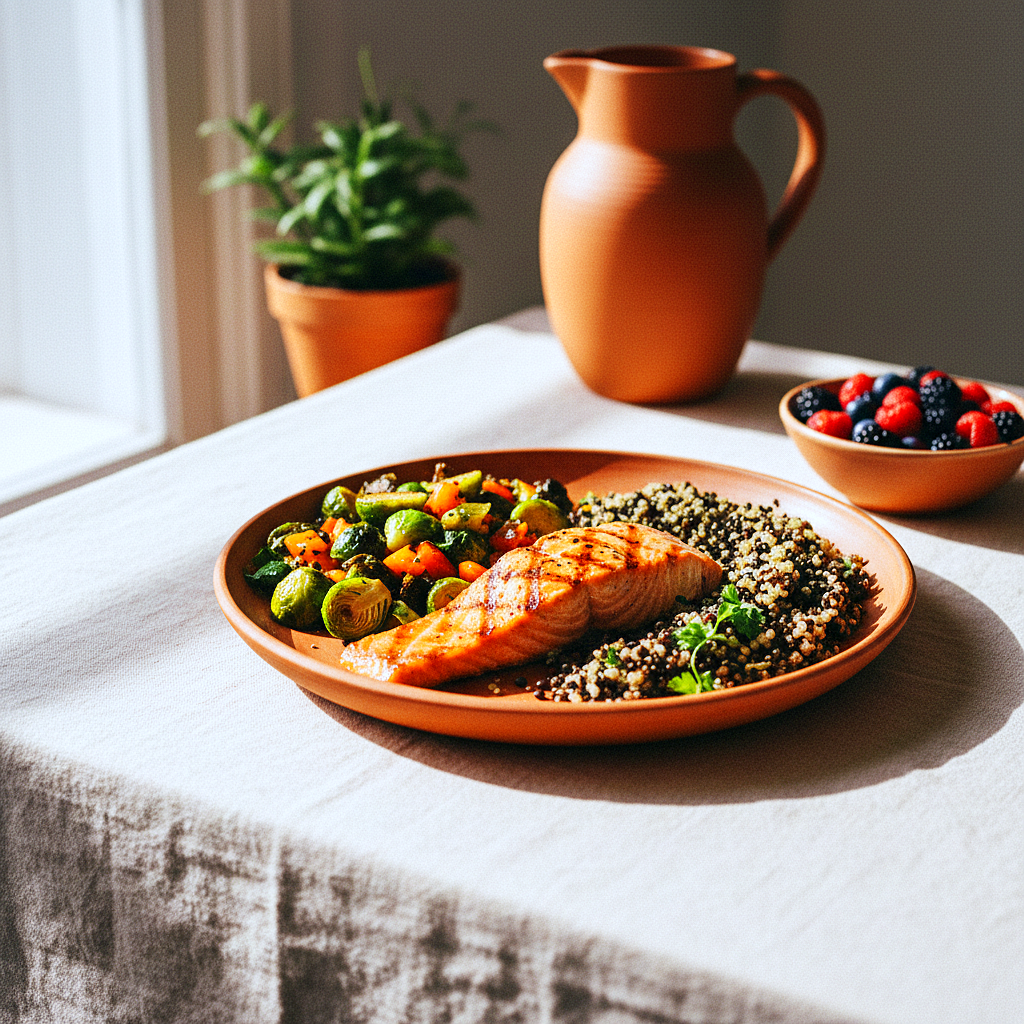
- A balanced plate, roughly half non-starchy vegetables, a quarter protein, and a quarter whole-food carbohydrate, does most of the work automatically.
- Eating at regular intervals tends to steady blood sugar and appetite better than skipping meals or long fasts.
- Movement, sleep, and stress care are part of the same picture as food, not afterthoughts.
- Sustainable habits beat crash diets every time. Severe restriction usually backfires with PCOS.
What is the best diet for PCOS and insulin resistance?
There is no single official "PCOS diet," and any plan that promises a quick fix is usually setting you up to rebound. PCOS commonly involves insulin resistance, which means the body has to work harder to manage blood sugar. So the goal of eating is gentle, steadier blood sugar across the day, not perfection and not punishment.
I want to name something I see often in my practice. The internet is loud with extreme keto, very low-carb rules, and the message that carbs caused your PCOS. That framing tends to create fear, all-or-nothing thinking, and a cycle of restriction followed by rebound. It rarely lasts, and it rarely feels good. The approach I trust is calmer and more flexible, and it centers on one idea: food pairing.
Do I have to cut carbs for PCOS?
No. Carbohydrates are not your enemy, and you do not have to give them up to manage insulin resistance. Carbs eaten on their own can raise blood sugar more quickly, but the same carbs eaten alongside protein, fiber, and a little fat tend to raise it more gently. That is the whole game, and it is a lot more livable than cutting out bread, fruit, rice, or pasta.
Whole-food carbohydrates also bring real value. Beans, lentils, oats, whole grains, fruit, and starchy vegetables deliver fiber, which slows digestion and feeds a healthy gut. Pulling them out often means less fiber, less satisfaction, and more cravings later. Instead of removing carbs, I want you to dress them.
Food pairing, the hero move
Think of a carbohydrate as something that wants a partner. Pair it with protein and fiber, and ideally a little healthy fat, and you blunt the glucose swing while feeling fuller longer. A few everyday examples:
- Apple plus a handful of almonds or a spoon of peanut butter
- Oatmeal cooked with milk or soy milk, topped with chia seeds and berries
- Crackers plus cheese or hummus
- Rice plus beans, plus a drizzle of olive oil and vegetables
- Toast plus eggs and avocado
Same carbs you already enjoy. You are simply adding around them, not subtracting.
How do I build a PCOS-friendly plate?
You do not need to weigh or count anything. Picture your plate in quarters and you are most of the way there.
- About half the plate: non-starchy vegetables, such as leafy greens, peppers, broccoli, tomatoes, cucumbers, or zucchini. Fiber and volume here help fullness and steadiness.
- About a quarter: protein, such as eggs, fish, chicken, tofu, tempeh, Greek yogurt, beans, or lentils. Protein is one of your strongest tools for satisfaction and blood sugar.
- About a quarter: a whole-food carbohydrate, such as quinoa, brown rice, sweet potato, whole-grain bread, or a piece of fruit.
- A thumb or two of healthy fat: olive oil, avocado, nuts, or seeds, which add staying power and flavor.
This structure works across cuisines, on a budget, in a hurry, and when you eat out. It quietly pairs protein and fiber with your carbs without any math.
Should I skip meals or try fasting?
This is where I gently push back on a lot of online advice. For many people with PCOS, going long stretches without eating leads to bigger blood sugar swings, stronger cravings, and overeating later in the day. Skipping breakfast and arriving at dinner ravenous is a common pattern, and it makes balanced choices harder right when you are most depleted.
A steadier rhythm tends to serve you better: something balanced every three to five hours, anchored by protein and fiber. If a structured eating window genuinely feels good for you, that can be fine, but it is not required, and it is not a magic lever for PCOS. There is no prize for white-knuckling through hunger.
Smart snack ideas
Snacks are not a failure. They are a tool to bridge meals and keep blood sugar from crashing. Reach for pairs:
- Greek yogurt plus berries plus a sprinkle of seeds
- Hummus plus veggie sticks plus a few whole-grain crackers
- A boiled egg plus a piece of fruit
- Cottage cheese plus pineapple
- A small handful of trail mix with nuts and a little dried fruit
What about cravings?
Cravings with PCOS are not a willpower problem, and they are not a moral failing. They are often the predictable result of blood sugar dips, under-eating earlier in the day, poor sleep, or stress. The most reliable way I know to soften cravings is not to fight harder. It is to eat enough, eat regularly, and pair your carbs so your blood sugar is not riding a roller coaster.
When a craving shows up, you are allowed to honor it. You can also pair it. A few squares of chocolate alongside some nuts, or ice cream after a balanced dinner, lands very differently than the same food eaten while overly hungry. No food needs to be off-limits, and labeling foods as "bad" or "cheats" tends to amplify the very cravings you are trying to calm.
What else helps insulin resistance, beyond food?
Eating is one lever among several, and they reinforce each other.
- Movement. Muscle is excellent at using glucose, so regular activity supports insulin sensitivity. Walking counts, and adding some strength training a couple of times a week helps even more. Consistency beats intensity. A walk after meals is a simple, friendly place to start.
- Sleep. Short or broken sleep can worsen insulin resistance and crank up cravings the next day. Protecting your sleep is genuinely part of your PCOS plan, not separate from it.
- Stress. Chronic stress nudges blood sugar and appetite in unhelpful directions. Even small practices, a few minutes of breathing, time outside, or a real break, can take some pressure off.
None of these has to be perfect. Small, repeatable habits stacked together do more than any single dramatic change.
Why sustainable beats extreme
Crash diets and very restrictive plans can feel productive at first, but with PCOS they often lead to rebound hunger, a frustrating cycle, and a relationship with food that gets harder over time. If you have tried and "failed" these plans before, I want you to hear this clearly: the plan failed you, not the other way around. Restriction is not a character test.
The realistic path is less dramatic and far more durable. Add protein and fiber. Pair your carbs. Build balanced plates. Eat regularly. Move in ways you like, sleep, and tend to your stress. This is also a foundation worth having in place if you are exploring other tools for weight and PCOS, which I dig into in how to lay a nutrition foundation before considering a GLP-1. And if your real obstacle is time and a packed schedule, my guide to eating well as a busy parent shows how these same principles hold up on the hardest days.
A warm invitation
PCOS can feel like a lot, especially with so much conflicting noise about what you "should" eat. You do not have to sort it out alone, and you do not have to earn your meals through deprivation. If you would like a plan built around your body, your preferences, and your real life, I would love to help. You can book a free intro call and we will start exactly where you are. This is educational information, not individualized medical advice, so please work with a registered dietitian and your doctor to tailor any approach, especially before changing medication or anything related to your treatment.
Frequently asked questions
Do I have to give up carbs to manage PCOS?+
No. Carbohydrates are not the enemy in PCOS, and cutting them out is rarely necessary or sustainable. What helps most is how you pair carbs, combining them with protein, fiber, and a little healthy fat to slow digestion and steady blood sugar. Whole-food carbs like beans, oats, fruit, and whole grains can absolutely belong on your plate.
What should a PCOS-friendly plate look like?+
A simple, flexible target is roughly half the plate non-starchy vegetables, a quarter protein, and a quarter whole-food carbohydrate, with a thumb of healthy fat. That structure naturally pairs fiber and protein with your carbs, which is what blunts glucose swings. It works across cuisines and does not require special foods or counting.
Is intermittent fasting good for PCOS?+
For some people structured eating windows feel fine, but for many with PCOS, long gaps and skipped meals lead to bigger blood sugar swings, stronger cravings, and overeating later. Eating at regular intervals tends to support steadier energy and appetite. There is no single right pattern, so this is worth personalizing with a dietitian rather than forcing a rule.
Can I lose weight with PCOS by eating more food?+
It sounds backward, but adding protein, fiber, and balanced meals often helps appetite and blood sugar settle, which makes any change you pursue feel more sustainable. Severe restriction tends to backfire with rebound hunger and a slower metabolism over time. The goal is steadiness and consistency, not the lowest possible intake.
Besides food, what else helps insulin resistance with PCOS?+
Movement is a strong lever, especially regular walking and some strength training, because muscle uses glucose well. Sleep and stress matter too, since short sleep and chronic stress can worsen insulin resistance and cravings. Small, repeatable habits across food, movement, sleep, and stress add up more than any single intervention.
This article is general education, not individualized medical or nutrition advice. For a plan built around your health history, labs, and any medications, work with a registered dietitian and your physician.
Dara Sandler, MA, RD, CDN
Dara Sandler is a Registered Dietitian Nutritionist (MA, RD, CDN) trained at New York University, with 14+ years of experience across private, clinical, and corporate nutrition. She specializes in GLP-1 support, menopause, PCOS, and family nutrition.
Want this tailored to you, not a generic article?
Book a free intro callKeep reading